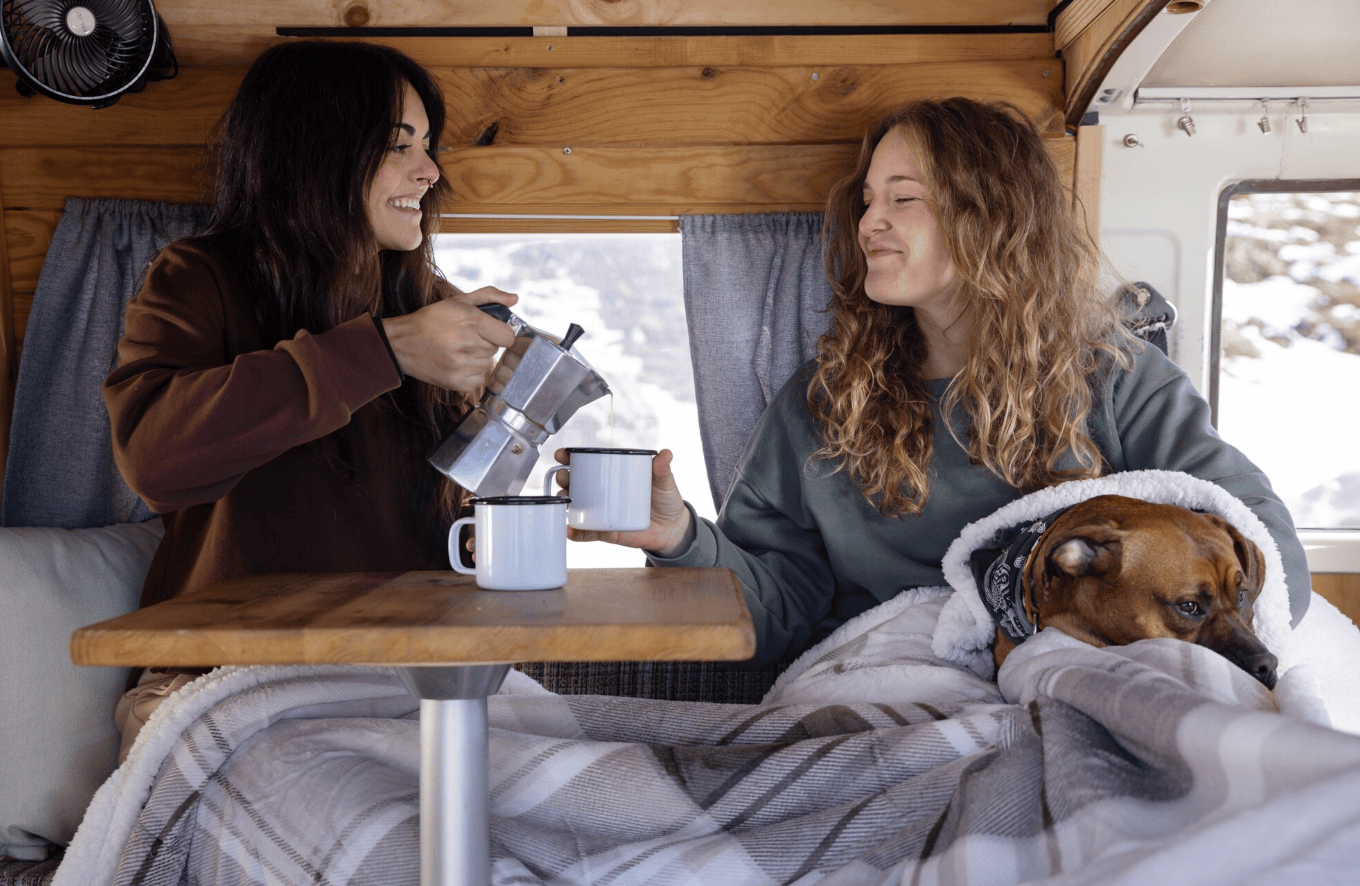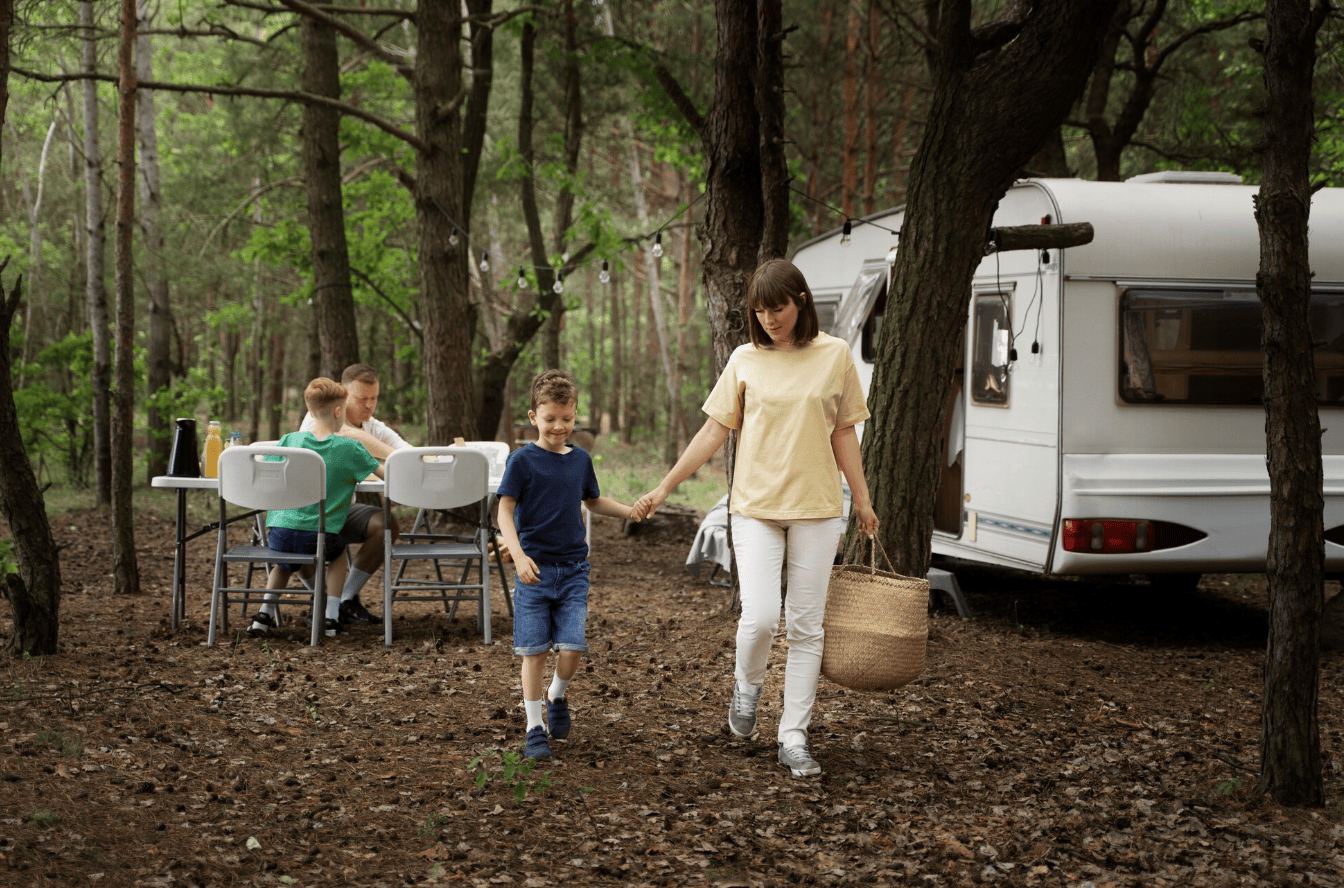
Starting out on your journey as a beginner RVer can be challenging, especially if you’re considering living full-time in an RV. But don’t worry; you’re not alone in feeling this way. We’re sharing some RV living tips for beginners in this blog to help you get started on your journey. With these tips, we are confident you’ll get the hang of it. And with some preparation, you can turn your dream of living in an RV into a reality.
So, read on to find valuable insights to help you on your journey.
Buying vs Renting an RV
Before starting your RV journey, you need to decide whether to buy or rent an RV.
It can be overwhelming to gather all the information you need to know before making a purchase. That’s why it’s important to first learn about the different types of RVs available, which include:
Class A Motorhome
The Class A motorhome is often referred to as a bus or coach due to its similar appearance. It is usually the largest type of motorhome, although smaller ones are available, and also the most luxurious option among RVs.
Driving a Class A motorhome is like driving a condo on wheels, as it offers the most amenities. However, it can be expensive and hard to drive and maneuver due to its size. It can also limit your options on places to travel due to its length.
Class B Motorhome
Class B motorhomes are commonly referred to as campervans or motorhomes. They are the smallest type of motorhomes and usually resemble regular passenger vans from the outside. Due to their compact size, these vehicles offer basic amenities and typically accommodate no more than 2-3 people.
Being the most maneuverable type of RV, they can be conveniently parked in most car parking spaces. These motorhomes are quite popular due to their nimbleness, but they tend to be more expensive than some Class C RVs.
Class C Motorhome
Class C motorhomes are often considered the quintessential motorhome. They typically have a boxy look that resembles a moving truck and come with a section protruding over the cab that usually houses a bed.
They are a great option for those who prefer a wide range of choices in terms of size and amenities. Class C motorhomes are built on top of a truck chassis, making them shorter and easier to handle than Class As. This makes them more versatile and allows for more flexibility in terms of where you can take them.
Travel Camper Trailers
Travel trailers are a type of RV that can be used as a full-time residence and towed behind a vehicle. They come in different sizes, ranging from tiny “teardrop” trailers to large fifth wheels. Depending on the weight of the travel trailer, they can be towed by trucks, SUVs, and even some cars. They are less expensive compared to other classes of RVs.
Travel trailers are convenient as you can unhitch them and leave them at your campsite while you explore the area in your tow vehicle.
Truck Campers
Truck campers are similar to camper trailers, but they sit in the bed of a truck instead of being towed. They are considered the most versatile type of RV as they can be taken anywhere a truck can.
However, they can be quite heavy, especially when slides are added. The good news is that they can be parked in regular car parking spaces. Additionally, you can remove them and leave them at your campsite while you explore the area in your truck.
Toy Haulers
Toy haulers are a fantastic option if you want to bring your toys on the road, such as ATVs, motorcycles, bicycles, hot tubs, workout equipment, smart cars, kayaks, canoes, and more.
They are similar to camper trailers that you pull with a tow vehicle and have a ramp in the back that allows you to load up your toys and take them with you wherever you go. They are towed by heavy-duty trucks and are less expensive than other RV classes. You can also unhitch and leave them at your campsite while you explore in your tow vehicle.
Identifying Your Travel Style
Part of deciding what type of RV to buy or rent is to determine your travel style. Here are some factors to think about:
- Will you be traveling full-time or part-time?
- How often do you plan to travel?
- How long do you plan to stay in each location?
- Where do you plan to stay?
- What is the age of your kids?
- How much cargo can the RV carry?
- Do you plan to boondock or dry camp often?
- Do you plan to take your RV off-road?
It might also be helpful to watch YouTube videos of different RVs to get a feel for how they might work for your family on a day-to-day basis. Additionally, you could consider renting an RV or two before making a purchase to ensure you get the right one for you.
The bottom line is that there is no right or wrong answer when choosing an RV. It all depends on your travel style and what you’re looking for in a mobile home. Make a list of your must-haves and determine what you can negotiate depending on what is available in the market.
You should also set your budget and stick to it. With so many RVs available, it is easy to get caught up in the idea of wanting the best RV, but remember that you don’t need all that stuff. It’s best to focus on living “out” of your RV, enjoying nature, and exploring.
RV Living Costs
Two of the biggest questions that come up when considering full-time RV living are “How much does it cost to live in an RV?” and “Is living in an RV cheaper than living in a house?”
It’s difficult to give a definitive answer because everyone’s costs will differ. The cost of living varies from person to person and depends on several factors, though there are some significant costs that are pretty universal for all RVers, such as:
- An RV: You can buy a new or used RV and pay for it in cash or financing. If you choose financing, remember to add it to your monthly budget.
- Utilities: When you’re RVing, like in a house, you’ll have to pay for water, sewer, and electricity, depending on where you stay.
- Maintenance: Like any other vehicle, RVs require regular upkeep and repairs. So you’ll need to budget for things like tires, oil changes, regular wear-and-tear, alignments, and unexpected repairs.
- RV Insurance: Make sure to get both liability and comprehensive coverage for your RV, and consider full-time insurance if you plan on living in your RV full-time.
- Park Fees: If you plan on staying in RV parks frequently, you’ll need to budget for the campsite fees.
- Gas or Diesel: Don’t forget to budget for the cost of fuel, which will depend on the size and type of your RV, as well as your travel route and style.
- Propane: Buy propane if any of your appliances in your RV use it.
- Groceries: You’ll need to budget for food just like you would if living in a house.
- Water: You’ll need to have a way to store and haul water for your RV.
- Eating Out: Remember to factor in the cost of eating out at restaurants.
- Laundry: You’ll need to do laundry, so plan for it accordingly.
- Sewer: You’ll need a way to store and dispose of your sewage, which can cost money.
- Activities: As an RV traveler, you can still enjoy tourist activities, but some may come with a cost, such as entrance fees to museums, tours, rentals, and theme parks.
- Subscription Entertainment, Cell Phone Bill, Hot Spot & Internet Data Plan: Consider the cost of a movie streaming service like Netflix or Amazon Prime if you want to watch TV or movies. Get a hot spot or another type of mobile internet device to access the internet on the road. And don’t forget about your cell phone bill!
- Mail Forwarding Service: Get a mail forwarding service to have a permanent address if you plan on living full-time on the road.
- Roadside Assistance: It’s important to have roadside assistance in case of emergencies while on the road.
- RV Memberships: RV memberships are available, and they can provide discounts on camping, gas, and other travel expenses. However, there is an annual fee for these memberships.
Travel Safety in an RV
The “3/3/3 rule” is popular for those who live or travel in RVs. It suggests dividing travel days into three segments: travel for no more than three hours, arrive at your destination by 3 pm, and stay for at least three days before moving on to the next location.
- Travel for No More than Three Hours: A helpful tip for RV travelers is to limit their driving time to three hours or less per day, which helps minimize driver fatigue and stress. It also allows for frequent breaks and opportunities to explore interesting stops along the route.
- Arrive by 3 PM: Aim to reach your destination by 3 pm to have enough time to set up camp, explore the area, and relax before nightfall. Arriving earlier also ensures you have enough daylight to navigate and set up camp safely.
- Stay for at Least Three Days: When traveling, it is recommended to stay at least three days in one location before moving on to the next destination. This allows you to fully experience and appreciate the area you are visiting rather than rushing through multiple locations. Moreover, it reduces the time and stress associated with frequently packing up and moving camp.
Following the 3/3/3 rule can help you strike a balance between covering ground and enjoying the journey, promoting a more relaxed and fulfilling travel experience. But remember that this rule is a guideline, and individual preferences and circumstances may vary. Some travelers may choose to adapt the rule to better suit their needs and preferences.
RV Travel Safety Tips
When traveling in an RV, unexpected events can occur at any time. Be sure to take steps to ensure your safety and that of your family.
- Get familiar with your RV before hitting the road.
- Check for potential hazards before leaving.
- Plan your route and check weather conditions.
- Drive defensively and take your time.
- Be cautious when estimating travel time and plan for twice the time suggested by Google.
- Know your limits and trust your gut.
- Always have multiple overnight camping spot options in case the first one doesn’t work out when you arrive.
- Don’t forget your safety gear, including a first aid kit and fire extinguisher.
- Bring a first aid kit and flashlights.
- For your safety, consider enabling location sharing to allow your loved ones to stay updated on your whereabouts.
Full-Time RV Life
Full-time RV living can be scary (or uncomfortable at times), but the benefits of this lifestyle are abundant, including waking up to a new view every day, the ability to work from anywhere with an internet connection, lower living expenses, more time and freedom to travel, and a minimalistic lifestyle that declutters your life.
Naturally, living in an RV comes with its own set of challenges, but none of them are insurmountable with a little creativity and resourcefulness. However, before you start your full-time RV adventure, do your research and learn about the things you need to know.
Road Trips – Visit Roseburg, Oregon RV Parks
There are numerous wonderful options available for RV enthusiasts. Whether you prefer to venture off the beaten path and take things as they come or prefer to reserve a spot at an RV park well in advance, there is an amazing RV adventure waiting for you.
You can find plenty of resources online to plan your RV trip. You can also download RV apps to assist you with everything from planning and locating campgrounds to checking the weather and ensuring you are on the best route.
Don’t forget to visit Roseburg, Oregon, too! The city is surrounded by beautiful forests and mountains, making it the perfect destination for camping and outdoor activities. Also, RV parks in Roseburg, Oregon, like Rising River RV Park, have excellent facilities and amenities that cater to the needs of RVers.
RVing With Pets
Traveling in an RV comes with the significant advantage of being able to bring your pets along.
Then again, there are some aspects to consider before embarking on your trip. You need to gather the appropriate paperwork, ensure your pet has all the required vaccinations, and confirm that the campgrounds you plan to visit are pet-friendly.
Below are some tips to consider when traveling with your furry friend in an RV:
- Make sure that your dog’s vaccinations and shots are up to date, particularly if you’re planning to travel across different states or countries with varying regulations.
- Ensure that your dog is comfortable in small spaces. If your dog is not used to being in cramped quarters, acclimate them slowly by spending short periods in the RV with them until they get used to it.
- Exercise your dog regularly to help them burn off some of their extra energy and prevent them from getting restless in the RV.
- Be prepared for inclement weather conditions and have a plan in place to keep your dog comfortable.
- Invest in good quality gear such as a leash, harness, and tie-out stakes to keep your dog safe and within your line of vision when outside the RV.
- Microchip your dog, and consider getting a GPS device to attach to their collar.
Despite the extra work involved, traveling with your furry friends is definitely worth the effort!
Experience the Best of RV Living at Rising River RV Park
Living in an RV can offer a lot of benefits, especially if you choose to stay in some of the best Roseburg, Oregon RV parks like Rising River RV Park.
Our park boasts a variety of amenities that make it an ideal place to set up camp for an extended period of time. We have a variety of amenities, including free Wi-Fi, cable TV, and 30-50 amp service. Additionally, we provide well-maintained shower and restroom facilities, a laundry facility, and an on-site recreation room.
We offer different types of leveled RV sites, including premier river view sites, pull-through sites, and back-in sites, so you can pick the type of site that suits your needs. Our on-site retail store has everything you need for your stay.
To learn more about Rising River RV Resort & River House, you can contact us at any of the following:
- Website: https://www.risingriverrv.com/
- Phone: 541-679-7256
- Facebook: https://www.facebook.com/risingriverrvresort
- Google Map Link: https://maps.app.goo.gl/NVMDiGEVZF9euoTM8
To summarize, living in an RV can provide you with the freedom to travel and explore new places while still having the comfort of your own home on wheels. It’s a cost-effective and adventurous way of living that has become increasingly popular in recent years.
So why not give it a try and see all the benefits that come with it?